Toilet installation and repair
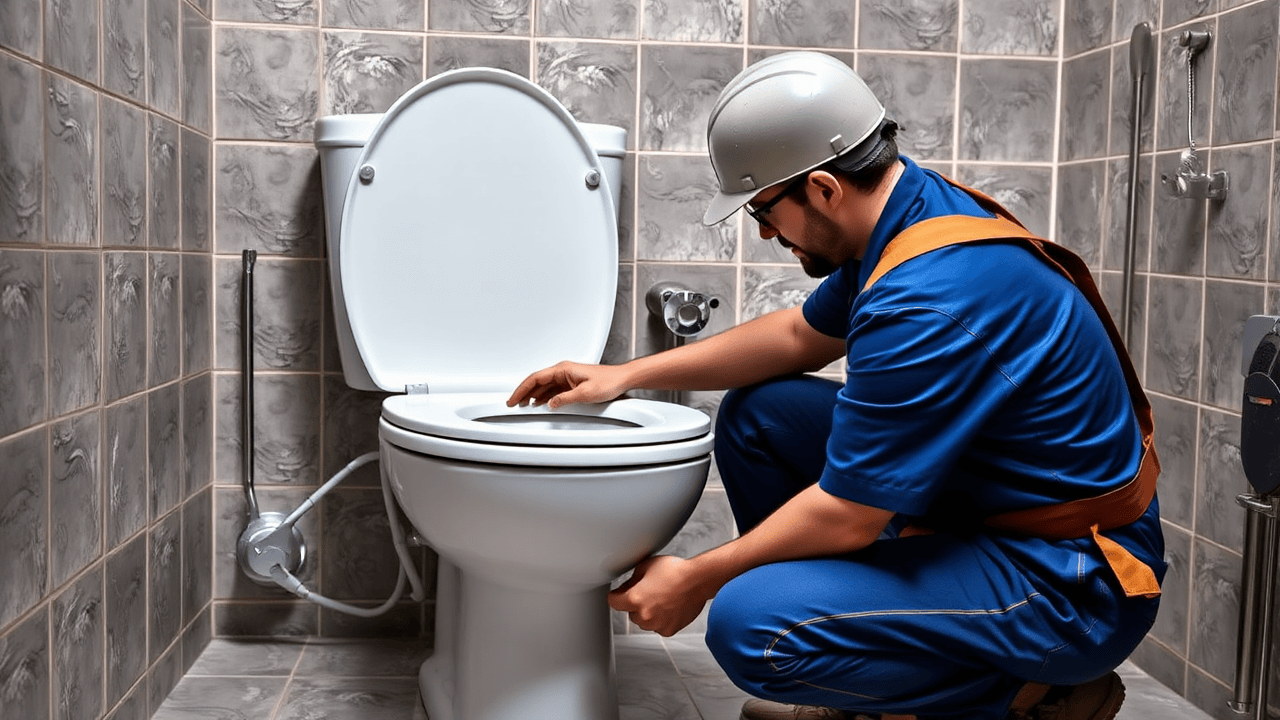
At B&G Plumbing and Restoration, we specialize in expert toilet installation and repair services tailored to meet your specific needs. Whether you're upgrading to a modern, water-efficient model or dealing with a troublesome leak, our skilled plumbers are equipped to handle the job with precision and care. We understand that a properly functioning toilet is essential for your home's comfort and sanitation, which is why we prioritize prompt and reliable service. With our commitment to quality craftsmanship and customer satisfaction, you can trust B&G Plumbing and Restoration to ensure your toilet operates flawlessly, providing you peace of mind for years to come.
When to Call a Professional Plumber
Knowing when to seek the expertise of a professional plumber can save you time, money, and stress. If you encounter persistent leaks or clogs that don't respond to standard plumbing tools, it's a strong indication that the issue may be more complicated. Bubbling noises in the toilet bowl or water backing up from other drains can signify larger plumbing system problems that require a trained eye and specialized equipment to diagnose and repair effectively.
Additionally, any signs of water damage around the base of the toilet or on the ceiling below may suggest a serious issue that cannot be ignored. If you are considering replacing your toilet or making any modifications to your plumbing system, consulting a professional ensures you meet local plumbing codes and regulations. Some tasks, such as rerouting pipes or reconfiguring waste lines, demand a skill level and knowledge that only a licensed plumber possesses.
Indicators You Should Seek Expert Help
A toilet that frequently clogs or overflows may indicate a more serious underlying issue. Persistent problems often stem from complications within the plumbing system, such as tree root intrusions, pipe blockages, or malfunctioning components. If you find yourself repeatedly reaching for the plunger, it’s prudent to consult a professional plumber who can diagnose and fix the issue effectively.
Another sign that it’s time to call for expert assistance is the presence of unusual sounds or leaks. A toilet that gurgles or makes loud noises can signify air trapped in the pipes or a venting issue. Visible water leaks around the base or tank can result in water damage and mold growth if left unaddressed. These problems require specialized tools and knowledge to repair safely and correctly, making professional help essential.
Toilet Maintenance Tips
Regular inspection of your toilet can prevent many common issues. Look for signs of leaks, such as water pooling around the base or moisture on the floor. Listening for persistent sounds of running water can indicate problems with the flapper or fill valve. Additionally, checking for any cracks in the toilet bowl or tank helps maintain its integrity and functionality.
Keeping the toilet clean not only promotes hygiene but also aids in its longevity. Use a toilet brush and a gentle cleanser to remove stains without damaging the ceramic surface. Avoid using harsh chemicals that can corrode the components or harm the plumbing. Perform routine maintenance by checking the flush mechanism and ensuring the tank fills properly after each use.
Simple Practices to Keep Your Toilet in Top Condition
Regular cleaning of your toilet can prevent build-up of grime and stains. Using a toilet bowl cleaner designed to eliminate bacteria helps maintain sanitation. A brush should be used to scrub under the rim and around the bowl. Cleaning should be done weekly to keep surfaces fresh and hygienic. This simple practice reduces the risk of unpleasant odors and keeps the toilet visually appealing.
Checking the flapper valve periodically is crucial for ensuring efficiency. A worn flapper can lead to water leaks, wasting resources and increasing your water bill. Adjusting the water level in the tank also contributes to proper functioning. Keeping the flush system in optimal condition requires minimal effort and can prevent more significant problems down the line. Regular maintenance extends the life of your toilet and enhances overall performance.
Understanding Plumbing Codes for Toilets
Plumbing codes play a critical role in ensuring the safety and efficiency of toilet installation and usage. These regulations establish minimum standards for plumbing systems, including toilets, to promote proper sanitation and protect public health. Compliance with these codes is essential for both residential and commercial properties. Additionally, understanding local codes helps in avoiding costly fines and ensuring that installations are up to standard with the latest safety protocols.
Various factors influence plumbing codes, including the materials used, drainage design, and water supply systems. Knowledge of specific requirements, such as the height and spacing of toilets, can lead to successful installations that function effectively for years. Property owners should consult their local plumbing authority before proceeding with installations or significant repairs. This step ensures adherence to all necessary regulations while contributing to a more reliable plumbing system overall.
Compliance Requirements for Toilet Installation
When installing a toilet, it is essential to adhere to local plumbing codes and regulations. These codes dictate specific requirements regarding materials, plumbing connections, and spacing to ensure proper function and safety. Local building departments often provide resources or guidelines, which can include requirements related to water efficiency and the type of fixtures permissible in certain areas. Compliance not only guarantees the toilet's proper operation but also helps prevent potential issues related to plumbing failures or water damage.
Obtaining the necessary permits is another crucial step in the installation process. Many jurisdictions require permits for new toilet installations or significant repairs to existing fixtures. This requirement exists to ensure that the work meets safety standards and conforms to local building codes. Failing to secure the appropriate permits can lead to fines or complications when selling a property in the future. Being proactive in understanding and following these regulations is vital for any homeowner looking to install or replace a toilet.
FAQS
How do I know if my toilet needs to be repaired or replaced?
Signs that your toilet may need repair include frequent clogs, leaks, constant running, or a weak flush. If the toilet is older than 10-15 years and experiencing multiple issues, it may be more cost-effective to replace it.
What are some common causes of toilet leaks?
Common causes of toilet leaks include a faulty flapper, a cracked tank or bowl, loose connections, or worn-out seals. Regular inspection can help identify these issues before they worsen.
How often should I perform maintenance on my toilet?
It’s a good idea to perform maintenance checks on your toilet at least once a year. This includes checking for leaks, cleaning the tank and bowl, and inspecting the flapper and other components for wear.
Are there specific plumbing codes I need to follow for toilet installation?
Yes, plumbing codes vary by location, but generally, they cover aspects like the height and distance of the toilet from walls and other fixtures, as well as requirements for drainage and venting. It's important to check local regulations before installation.
What should I do if my toilet is constantly running?
A constantly running toilet is often caused by a faulty flapper or a float that is set too high. You can try adjusting the float or replacing the flapper. If the issue persists, it may be best to consult a professional plumber.