Gas line installation and repair
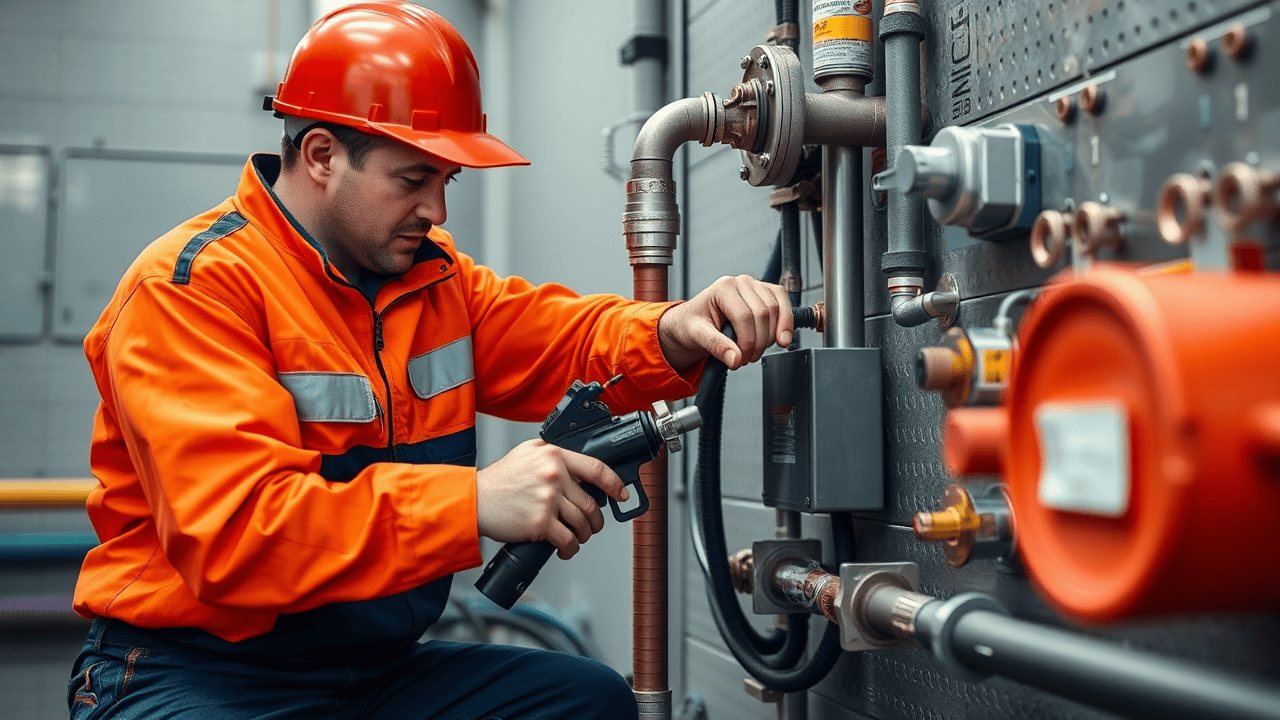
At B&G Plumbing and Restoration, we specialize in professional gas line installation and repair services that ensure your home operates safely and efficiently. Our team of experienced plumbers understands the complexities involved in working with gas lines, whether it’s for a new appliance installation or the maintenance of an existing system. We prioritize safety by adhering to all local codes and regulations, providing you with peace of mind as we handle everything from initial assessments to final checks. With our commitment to quality workmanship and customer satisfaction, you can trust B&G Plumbing and Restoration to deliver reliable solutions for all your gas line needs.
How to Choose a Gas Line Installer
Selecting a gas line installer requires careful consideration of several factors. Begin by researching local professionals who specialize in gas line installation. Look for licensed contractors with positive reviews and a solid reputation in the community. Check for any certifications related to gas fitting, which indicate compliance with safety standards and regulations. Experience matters too, so consider how long the installer has been in the business and whether they have successfully completed similar projects.
Once you have a shortlist of potential installers, arrange consultations to discuss your specific needs. During these meetings, inquire about their approach to safety, project timelines, and warranty policies. A trustworthy installer should be transparent about their processes and willing to provide references from past clients. This not only helps gauge their reliability but also gives you insight into their overall work ethic and quality of service.
Key Qualifications to Look For
When selecting a gas line installer, it's crucial to prioritize experience and licensing. A qualified installer should possess relevant certifications and training, demonstrating their knowledge of gas systems and safety protocols. Certifications from recognized organizations indicate that the installer adheres to industry standards. Experience is also essential; a contractor with a proven track record is better equipped to handle the complexities of installation and potential issues that may arise during the process.
Another important factor to consider is the installer’s insurance coverage. A well-insured contractor can protect both themselves and the homeowner from liability in case of accidents or damages. Customer reviews and testimonials offer insights into the installer’s reliability and quality of work. It's wise to ask for references or check online ratings to gauge satisfaction among previous clients. These factors collectively contribute to ensuring a safe and effective gas line installation.
Maintenance Tips for Gas Lines
Regular maintenance is essential for ensuring the safety and efficiency of gas lines. Homeowners should inspect visible gas lines periodically for any signs of wear, such as cracking, corrosion, or leaks. Keeping the area around the gas lines clear of obstructions can facilitate easier inspections. If any irregularities are detected, contacting a professional for further evaluation is crucial. Additionally, it is wise to ensure that gas appliances are properly connected and maintain a routine check on the connections to avoid potential hazards.
Scheduling annual inspections with a licensed technician can help identify issues before they become significant problems. These professionals can perform necessary tests and maintenance, ensuring that all systems are functioning as they should. Homeowners should also familiarize themselves with the smell of natural gas, as it is often described as a sulfur-like odor. Being alert to this unusual smell can enable prompt action if a leak is suspected. Taking these proactive steps can greatly enhance the safety and reliability of a home’s gas line system.
Regular Checks to Ensure Safety
Routine inspections play a crucial role in maintaining gas line safety. Homeowners should familiarize themselves with common signs of trouble, such as leaks, corrosion, or unusual odors. Utilizing tools like soap solutions can help detect pressure leaks, while regular visual checks can highlight any wear or damage to the lines. It is recommended to perform these checks at least once a year or sooner if any issues arise.
In addition to self-assessments, scheduling professional inspections is essential. Trained technicians can identify potential problems that may go unnoticed during casual checks. They use specialized equipment to evaluate gas pressure and ensure the system adheres to safety regulations. Engaging a qualified installer or repair person offers peace of mind and ensures that all necessary precautions are taken to safeguard your home and family.
Cost Factors in Gas Line Installation
When planning a gas line installation, various cost elements come into play. The diameter of the gas line significantly impacts pricing, as larger lines require more materials and labor. Additionally, the complexity of the installation site can lead to higher costs, particularly if there are obstacles that complicate access or necessitate special equipment. Geographic location also plays a role, as labor rates and material costs can vary from one region to another.
Permits and inspections are another consideration, often adding to the overall expense. Many municipalities require permits for gas line work, which can incur fees. Homeowners should also factor in potential costs for additional safety features or upgrades that may be recommended by the installer. By understanding these factors, homeowners can better estimate their budget and prepare for expenses related to gas line installation.
What Influences Pricing
Several factors play a significant role in determining the cost of gas line installation. The type of material chosen for the piping can greatly influence the price, with options ranging from flexible copper to rigid steel. Local building codes and regulations may also impact the installation process, potentially requiring additional permits or inspections that contribute to overall expenses.
Labor costs are another critical component of the pricing structure. The experience and expertise of the installation team can lead to varying labor rates. Additionally, the complexity of the installation site, such as accessibility issues or existing infrastructure, can further affect the final estimate. These variables combined create a unique pricing landscape for each project.
FAQS
What is the importance of hiring a qualified gas line installer?
Hiring a qualified gas line installer is crucial for ensuring safety and compliance with local regulations. A licensed and experienced installer will know how to handle gas lines correctly, reducing the risk of leaks and ensuring efficient operation.
How often should I have my gas lines inspected?
It is recommended to have your gas lines inspected at least once a year. Regular checks can help identify potential issues early, ensuring that your system operates safely and efficiently.
What are the common signs of a gas line leak?
Common signs of a gas line leak include a distinct smell of natural gas (often described as similar to rotten eggs), hissing sounds near gas lines, and dead or dying plants in the vicinity of the lines. If you suspect a leak, it's essential to evacuate the area and contact a professional immediately.
What factors can affect the cost of gas line installation?
Several factors can influence the cost of gas line installation, including the length of the line needed, the complexity of the installation, local labor rates, and whether any additional permits or inspections are required.
Can I perform maintenance on my gas lines myself?
While some basic maintenance tasks, such as checking for visible leaks or ensuring proper ventilation, can be done by homeowners, it is advisable to leave most maintenance and repairs to licensed professionals. This ensures safety and adherence to regulations.