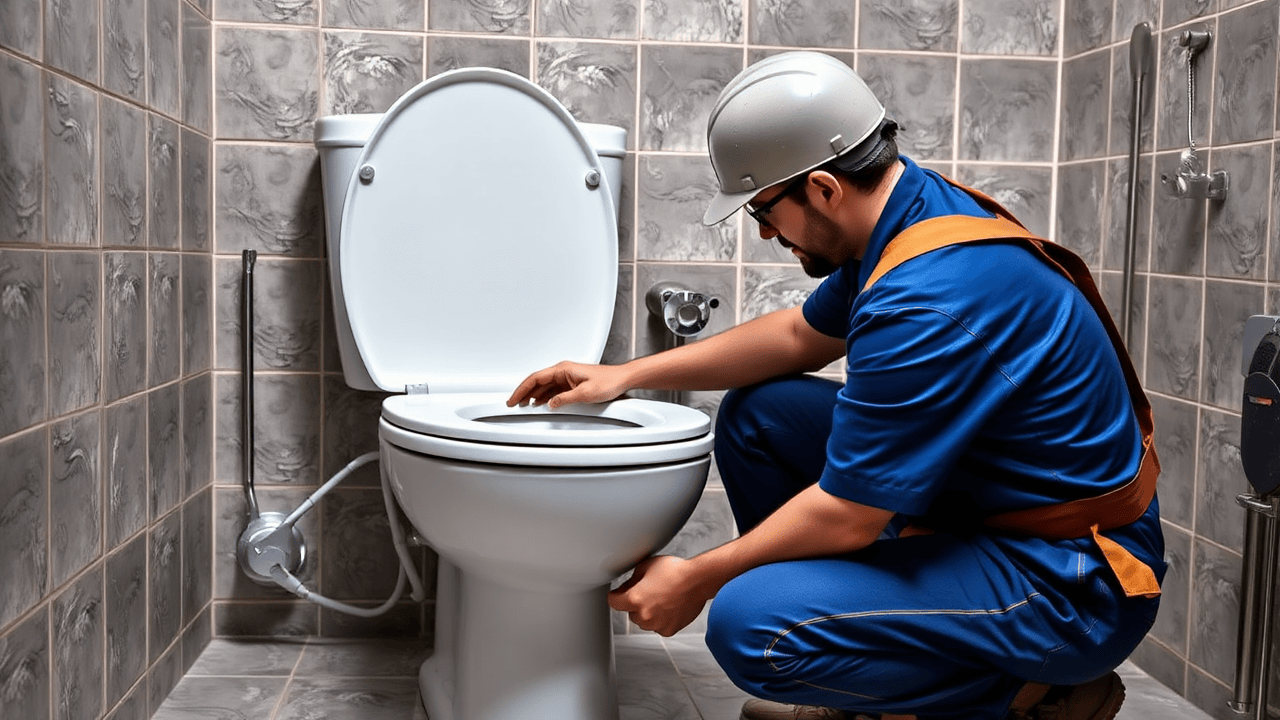
Advantages of Replacing a Toilet
Replacing a toilet offers several advantages that extend beyond just aesthetics. New models often come with improved features, including water-saving designs that can significantly reduce monthly water bills. These upgrades can contribute to a more efficient bathroom while also enhancing the overall look of the space. Homeowners may also benefit from the latest technology that improves performance and ease of use.
Another significant advantage is the peace of mind that comes with knowing you have a reliable toilet. Older units can often develop multiple issues, leading to a cycle of repairs that may become costly over time. By opting for a new toilet, residents can avoid the frustration of frequent breakdowns and enjoy a more dependable fixture. For those seeking assistance with this process, the option for expert services like toilet installation and repair Oregon is readily available to ensure a smooth transition.
LongTerm Cost Savings
When considering long-term cost savings, the initial expense of toilet installation and repair in Bend, Oregon, becomes an essential factor. A new toilet may require a larger upfront investment, but modern models are designed for efficiency. Low-flow and dual-flush options can significantly reduce water consumption, leading to lower monthly utility bills. Over time, these savings can offset the higher initial cost, offering a more affordable solution in the long run.
In contrast, repairs can seem financially appealing at first. However, they often come with hidden costs, particularly if recurring issues arise. Frequent repairs can accumulate, diminishing the overall savings. Investing in a new toilet in Bend, Oregon, may initially feel daunting, but it can ultimately provide better performance and savings, making it a wise choice for many homeowners.
Comparing Lifespan of Repairs vs. Replacement
When considering repairs versus replacement, the lifespan of a toilet can significantly influence the decision-making process. Toilets typically have a lifespan of around 20 to 30 years. Regular maintenance and minor fixes can extend this lifespan, but eventually, parts may become too degraded or outdated, leading to more frequent issues. When repairs start to add up or the toilet continues to malfunction, it might be time to consider a replacement.
On the other hand, choosing to replace a toilet often provides long-term benefits. A new toilet has the potential to operate efficiently for many years without the disruptions associated with repairs. Modern toilets may also offer improved water efficiency, which can lead to lower water bills over time. Those seeking toilet installation and repair in Bend, Oregon, will find options that blend performance with longevity, ensuring that their choices serve them well into the future.
How Long Should Each Option Last?
The lifespan of a repaired toilet often hinges on the nature of the issue. Minor problems, such as a leaky flapper or a clogged drain, can usually be fixed without significant impact on the toilet's longevity. With regular maintenance and timely repairs, a well-kept toilet can last several additional years after issues are resolved. However, more serious repairs, like issues with the tank or internal mechanisms, may not restore the functionality for long, leading to further complications or replacements down the line.
In contrast, a new toilet typically comes with a warranty and is designed to meet modern efficiency standards. Many contemporary toilets can last 25 years or more with proper care. When considering a toilet installation and repair in Bend, Oregon, the longer lifespan of a replacement may outweigh the initial costs of installation. Overall, investing in a new toilet often leads to fewer headaches in the long run, as advancements in design and materials contribute to durability and reliability.
Environmental Considerations
Environmental sustainability plays a crucial role in the decision to fix or replace a toilet. Older toilets often consume significantly more water per flush compared to modern, high-efficiency models. This excess usage contributes to unnecessary water waste, which can have a considerable impact on both local water supplies and broader ecological systems. In areas like Oregon, where water conservation is increasingly prioritized, opting for a water-efficient toilet can lead to a reduction in overall consumption, lowering both bills and environmental strain.
When contemplating toilet installation and repair in Oregon, it is essential to consider eco-friendly products available for both options. Many plumbing companies now offer low-flow toilets designed to use less water while still providing effective performance. Additionally, there are green repair substances and techniques that minimize environmental impact during the maintenance process. Choosing sustainable materials and practices contributes to a more eco-conscious home, aligning with global goals to promote sustainability and protect natural resources.
EcoFriendly Options for Both Choices
Choosing eco-friendly options for toilet installation and repair can lead to significant environmental benefits. Low-flow toilets are designed to use less water without sacrificing performance. These models are available in various styles that maintain efficiency while reducing water consumption. In addition to modern installations, making repairs with sustainable materials can contribute to better resource management.
In Bend, Oregon, homeowners can explore local services that prioritize eco-friendly practices. Finding a plumbing service that emphasizes green solutions ensures both environmentally responsible installations and repairs. This commitment not only helps conserve water but also reduces waste and energy usage associated with manufacturing new products. Selecting such options reflects a growing awareness of sustainability in home improvement choices.
FAQS
How do I determine if my toilet needs to be repaired or replaced?
Consider the age of the toilet, the nature and frequency of the issues, and the cost of repairs. If the toilet is older and requires frequent repairs, replacement may be more cost-effective in the long run.
What are the typical costs associated with toilet repairs?
Repair costs can vary widely depending on the issue but may range from $50 to $300 for common problems like flapper replacements or leak fixes.
How much does it generally cost to replace a toilet?
The total cost to replace a toilet can range from $150 to $500 or more, depending on the toilet model, installation fees, and any additional plumbing work required.
Can replacing a toilet lead to water savings?
Yes, newer toilets are designed to be more water-efficient, which can lead to significant savings on your water bill over time, especially compared to older models.
What eco-friendly options are available when replacing a toilet?
Look for WaterSense-labeled toilets that use less water per flush or consider models made from sustainable materials to minimize environmental impact.