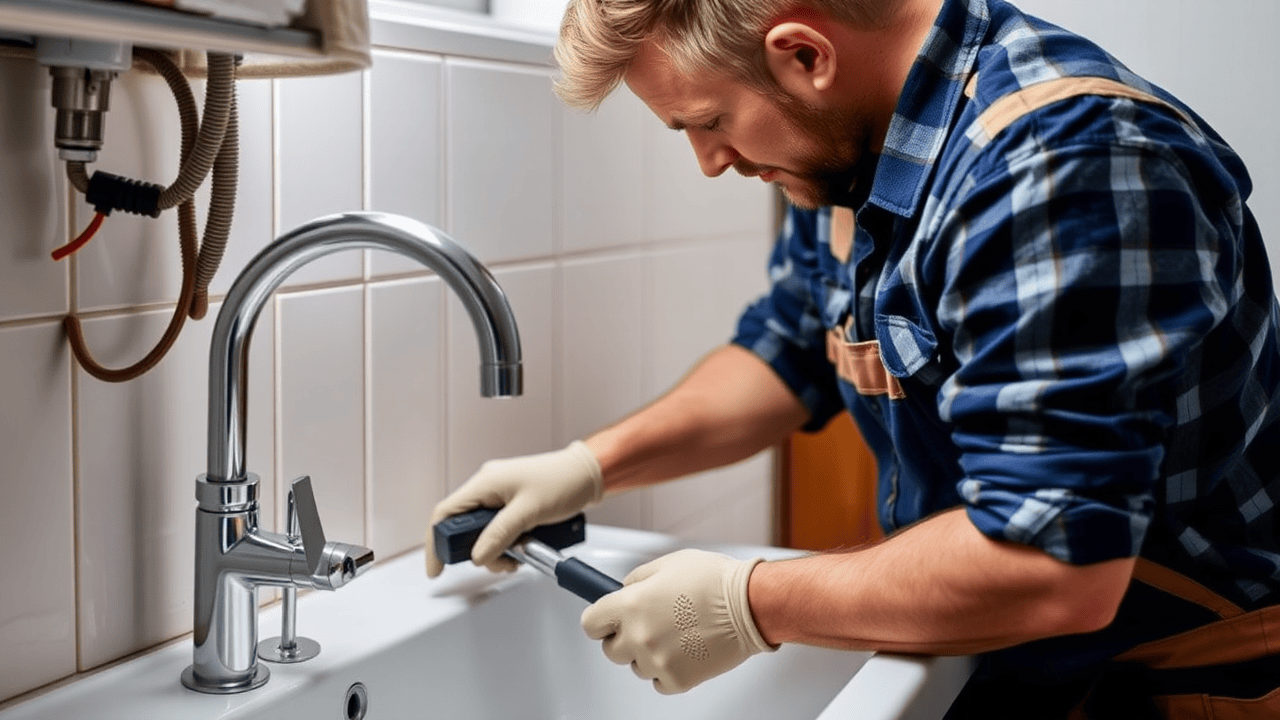
Sink installation and repair
At B&G Plumbing and Restoration, we specialize in top-notch sink installation and repair services tailored to meet your specific needs. Whether you’re upgrading your kitchen or bathroom sink, or in need of urgent repairs due to leaks or clogs, our experienced team is dedicated to delivering high-quality workmanship with a focus on customer satisfaction. We use only the best materials and tools to ensure your sink functions perfectly and looks great. Trust us to provide efficient, reliable service that not only resolves your plumbing issues but also enhances the overall aesthetic of your space. With B&G Plumbing and Restoration, you can expect prompt responses, professional guidance, and a job done right the first time.
Sink Maintenance Tips for Longevity
Regular maintenance can significantly extend the lifespan of your sink. Keeping it clean is essential, as buildup can lead to clogs and stains. Use gentle cleaners that are effective yet non-abrasive to avoid damaging the surface. Additionally, routinely check the sink for any signs of leaks or rust. Early detection of problems allows for prompt action, preventing more extensive damage.
Proper use of your sink plays a vital role in its longevity. Avoid putting grease, coffee grounds, or fibrous materials down the drain, as these can create blockages. Be mindful when using drain protectors to catch debris and prevent it from entering the plumbing. Such small actions contribute not only to the maintenance of the sink but also promote better hygiene in the kitchen or bathroom.
Recommended Cleaning Methods
Keeping sinks clean requires the right methods to ensure their longevity and functionality. A mixture of warm water and mild dish soap works effectively for everyday cleaning. Use a soft sponge or cloth to gently scrub the basin, avoiding abrasive cleaners that can scratch the surface. For tough stains or mineral deposits, a paste made of baking soda and vinegar can help break down the grime. After scrubbing, rinse thoroughly with warm water to prevent residue build-up.
For sinks made of stainless steel, using a dedicated stainless steel cleaner can enhance shine and protect against water spots. It's essential to dry the sink after cleaning with a soft towel to prevent any streaks or water damage. Regularly cleaning the faucet and drain area also contributes to a more hygienic environment. Avoid using harsh chemicals, as they can damage the sink material and plumbing fixtures over time. Stick to gentle cleaning solutions for the best results.
When to Call a Professional Plumber
It's essential to recognize when a plumbing issue exceeds your ability to handle it. If you notice persistent leaks, unusual noises coming from your sink, or water backups that don’t resolve with simple adjustments, it’s time to seek professional help. Ignoring these problems can lead to more significant issues, including water damage or mold growth. A skilled plumber can quickly assess the situation and provide the necessary repairs to prevent further complications.
Certain situations clearly necessitate expert intervention. For instance, if you are planning to install a new sink or remodel your kitchen or bathroom, you'll need to ensure compliance with local plumbing codes. Attempting such installations without the proper knowledge can result in severe plumbing mishaps and may even violate regulations. Calling a professional plumber not only ensures the job is done correctly but also protects your home from potential hazards associated with faulty plumbing work.
Situations That Require Expert Assistance
Occasionally, sink issues arise that may be beyond the capabilities of a standard homeowner. Persistent leaks that do not respond to DIY fixes often indicate deeper plumbing problems that can lead to water damage or mold growth. Likewise, if a sink becomes completely clogged and standard plunging or snaking fails to resolve the issue, it’s a sign that professional intervention is necessary to prevent further complications.
Additionally, improper installation can cause significant long-term problems. If you notice uneven sink placement, persistent drainage issues, or the presence of unusual odors, it’s advisable to consult a licensed plumber. Unauthorized modifications or unlicensed work could violate plumbing codes, leading to increased costs down the line, and addressing such matters promptly with an expert can save time and money while ensuring compliance with local regulations.
Understanding Plumbing Codes and Regulations
Plumbing codes and regulations are essential to ensure the safety and reliability of installations. These codes vary by location and set specific guidelines for materials, methods, and practices that must be followed during sink installation and repair. Understanding these requirements can help homeowners avoid potential hazards, costly fines, or mishaps that could arise from non-compliance.
Compliance with plumbing codes is crucial for maintaining proper water flow, drainage, and overall system efficiency. Licensed professionals are typically well-versed in local regulations, ensuring that installations meet the necessary standards. Homeowners should also familiarize themselves with these codes to make informed decisions, particularly when renovating or upgrading their plumbing systems.
Importance of Compliance in Sink Installations
Adhering to plumbing codes and regulations ensures that sink installations are safe and effective. These guidelines are designed to protect homeowners from potential hazards, such as leaks or improper drainage. Compliance with local codes also helps maintain the overall integrity of the plumbing system. Many municipalities require inspections to confirm that installations meet these standards, which can prevent issues down the line.
Additionally, following regulations can enhance property value. Many homebuyers appreciate the assurance that plumbing work has been conducted according to industry standards. Installations that fail to meet codes can lead to costly repairs and even legal issues. By prioritizing compliance, homeowners can enjoy peace of mind, knowing their sink installation will function properly and contribute to a safe living environment.
FAQS
What are some basic maintenance tips for keeping my sink in good condition?
Regularly clean your sink with mild soap and water, avoid harsh chemicals, and promptly address any stains or build-up. Additionally, check for leaks and tighten faucet connections as needed to prevent water damage.
How often should I clean my sink?
It’s recommended to clean your sink at least once a week to prevent build-up of grime and bacteria. However, if you use your sink frequently or notice any stains, you may want to clean it more often.
What signs indicate that I should call a professional plumber for sink repairs?
You should call a professional plumber if you experience persistent leaks, clogs that won’t clear, unusual noises from the plumbing, or if your sink is not draining properly despite your attempts to fix it.
What plumbing codes should I be aware of when installing a new sink?
Plumbing codes vary by location, but generally, they cover aspects such as proper drainage, venting, and water supply. It’s important to check with your local building department to ensure compliance during installation.
Can I install a sink myself, or should I hire a professional?
While some experienced DIYers may successfully install a sink on their own, it’s recommended to hire a professional if you are unsure about plumbing codes, if the installation involves complex piping, or if you want to avoid potential mistakes that could lead to costly repairs.