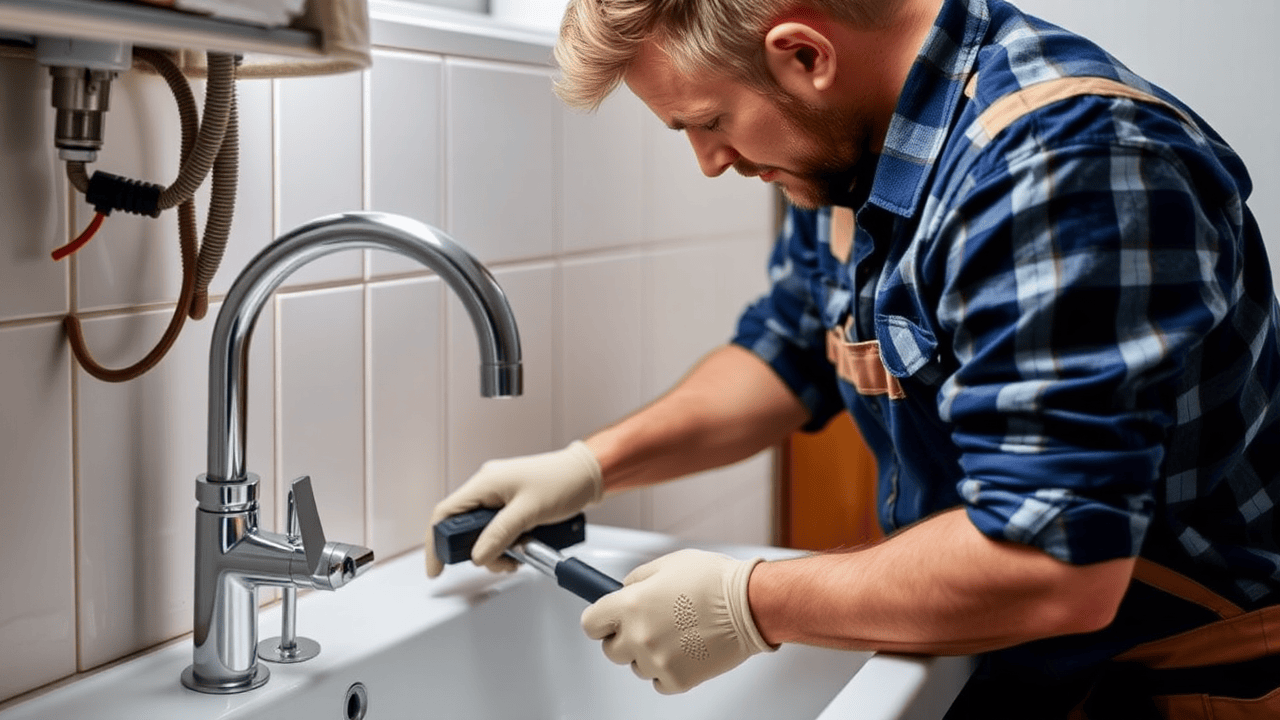
Steps to Install a Sink Yourself
Installing a sink yourself can be an achievable task with the right tools and some basic plumbing knowledge. Begin by gathering essential tools such as a basin wrench, plumber’s tape, and a putty knife. Disconnect the water supply lines and remove the old sink if applicable. Clean the area thoroughly to ensure a smooth installation for the new sink. Follow the manufacturer’s guidelines carefully, positioning the sink into the countertop and securing it properly. If you find yourself in Oregon, you may want to look up "sink installation and repair Oregon" for further localized advice or troubleshooting tips.
Once the sink is in place, connect the drain assembly and secure the water supply lines. Use plumber’s tape on threaded connections to prevent leaks, tightening them with a wrench. Test the connections by turning on the water supply and checking for any drips or leaks. It’s crucial to have all fittings secure and watertight to avoid future issues. If complications arise during the installation process, or if you feel uncertain about completing the task, professional help is always an option.
A Detailed Walkthrough of the Process
Installing a sink can seem daunting, but breaking it down into manageable steps makes the process more approachable. Start by gathering all necessary tools, including a basin wrench, a plumber's putty, and Teflon tape. Shut off the water supply to avoid any leaks during installation. If you're replacing an old sink, disconnect the current plumbing and carefully remove the sink from the counter. Ensure that the area is clean and ready for the new installation.
Next, position the new sink in the countertop cutout and apply a bead of plumber's putty around the edge. Lower the sink into place and secure it as per the manufacturer's instructions. Connect the plumbing, making sure to wrap threads with Teflon tape to prevent leaks. Once everything is connected, turn the water supply back on and check for any leaks. For those in the area, local experts in sink installation and repair Bend, Oregon, can provide assistance if needed.
When to Call a Professional
There are several scenarios in which enlisting a professional plumber becomes necessary for sink installation. If you encounter issues such as outdated plumbing or structural complications, these factors complicate the process beyond a straightforward DIY task. Additionally, local plumbing codes often require certain installations to meet specific standards. Ensuring compliance with these regulations can be daunting and may warrant the expertise of a trained professional.
Indicators that you need expert help can range from visible leaks to persistent drainage problems. If you notice any water damage or mold growth around your sink area, addressing these issues promptly is essential to prevent further complications. For those located in regions like Bend, Oregon, seeking a skilled plumber for sink installation and repair can save time and help avoid costly mistakes. It is better to get expert assistance rather than risk exacerbating problems that could lead to more extensive repairs down the line.
Indicators That You Need Expert Help
Certain situations may indicate that professional assistance is necessary for your sink installation. Complex plumbing systems, outdated pipes, or a lack of sufficient space can lead to complications that are best handled by an expert. If you're unfamiliar with plumbing regulations and safety standards, navigating these can be challenging. For those in areas like Bend, Oregon, local plumbers are well-versed in the specific requirements and conditions of the region.
Additionally, persistent leaks, corrosion, or water damage around the sink area signal that something is amiss. Attempting to fix these issues without adequate knowledge can lead to more significant problems and costly repairs later on. Sink installation and repair in Bend, Oregon, requires a skilled hand, especially if you're facing complications beyond basic installation. Professional plumbers can quickly identify underlying issues and provide solutions that ensure long-lasting results.
Cost Implications of DIY vs. Hiring a Plumber
When considering the cost implications of DIY versus hiring a plumber, one must take into account the expenses associated with materials and tools for the job. Purchasing a sink, faucet, and plumbing supplies can add up quickly. Additionally, if you lack the proper tools, renting or buying them can further increase your costs. Sink installation and repair in Bend, Oregon may vary, but first-time DIYers often overlook these hidden costs when estimating their budget.
On the other hand, hiring a professional plumber ensures that the job is completed correctly the first time. While the upfront cost may seem higher, the assurance of quality work and the potential savings from avoiding future repairs can make it worthwhile. Plumbers may charge a flat fee or an hourly rate depending on the complexity of the installation, but their expertise can prevent common mistakes that lead to costly issues down the line.
Budgeting for Your Sink Installation
When planning your budget for a sink installation, it's essential to account for various costs beyond just the sink itself. Consider expenses for plumbing supplies, materials like faucets and fixtures, and potential tools if you don't already own them. Setting aside extra funds for unexpected issues, such as old plumbing that needs repair or adjustments to fit the new sink, can help avoid surprises later.
If you reside in Bend, Oregon, local service rates for professionals can vary widely. Researching the average costs for sink installation and repair in Bend, Oregon, will give you a clearer picture of whether to tackle the project yourself or hire a plumber. Additionally, comparing quotes from multiple contractors may reveal opportunities to save on labor costs.
FAQS
Can I install a sink myself without any plumbing experience?
Yes, it is possible to install a sink yourself, especially if you follow a detailed guide. However, some plumbing knowledge can be beneficial, and you should feel comfortable with basic tools and plumbing components.
What are some common signs that I need to hire a plumber for sink installation?
Indicators that you may need professional help include complex plumbing configurations, signs of water damage, difficulty in connecting to existing plumbing, or if you encounter unexpected problems during installation.
How much money can I save by installing a sink myself versus hiring a plumber?
The savings can vary widely based on your location and the complexity of the installation. Typically, DIY installations can save you hundreds of dollars in labor costs, but you should also consider the potential costs of mistakes.
Are there any specific tools I need to install a sink?
Common tools needed for sink installation include a wrench, screwdriver, pliers, tape measure, and possibly a plumber's putty or silicone sealant. The exact tools may vary based on the sink type and installation method.
What should I do if I encounter a leak after installing my sink?
If you experience a leak post-installation, first turn off the water supply to the sink, then check all connections for tightness. If the problem persists, you may need to reapply sealant or call a plumber if you're unable to resolve the issue.