DIY vs. Professional Installation
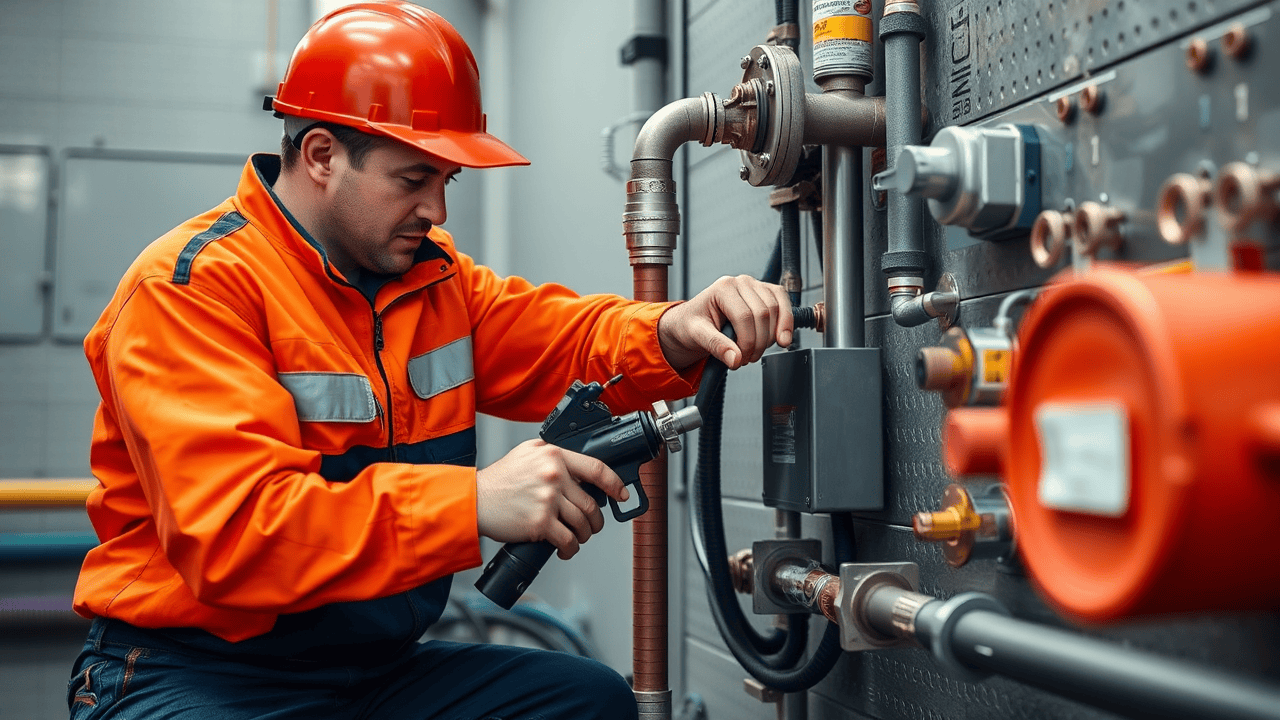
Many homeowners consider tackling gas line installation and repair in Oregon as a DIY project. The appeal lies in potential cost savings and the satisfaction of completing a job independently. However, working with gas lines presents specific challenges. Proper tools and materials are essential for safety and functionality. Any mistakes can lead to serious safety hazards or costly future repairs, making DIY an option that requires thorough preparation and understanding.
On the other hand, hiring a professional for gas line installation ensures compliance with local codes and safety regulations. Professionals possess the expertise to identify potential issues before they arise. They typically provide warranties or guarantees on their work, offering peace of mind that a trained expert has handled the installation. Although this option may incur higher upfront costs, it can prevent unforeseen expenses related to repairs or safety incidents down the line.
Cost Implications of Each Approach
Taking the DIY route for gas line replacement can seem appealing due to the potential savings on labor costs. However, it also includes the risk of mistakes that can lead to safety hazards or further expenses for unplanned repairs. Those undertaking this approach should carefully consider the costs of tools, materials, and any required permits. Miscalculating these expenses can negate the financial advantages of a DIY project.
On the other hand, hiring a professional for gas line installation and repair in Bend, Oregon, usually entails a higher upfront investment. This expense often covers not only labor but also the expertise that comes with ensuring compliance with local codes and regulations. Professionals may also be equipped to handle unexpected issues, which can ultimately save homeowners from future repair costs. Weighing immediate costs against long-term benefits is crucial when deciding on the best approach for gas line replacement.
Impact of Pipe Size on Replacement Costs
The size of a gas pipe significantly influences the overall cost of replacement. Larger pipes generally require more materials, which can lead to higher expenses. They also tend to necessitate more extensive labor for both installation and connection to existing systems. Depending on the specific requirements of a home or building, choosing the right pipe size is crucial for optimizing costs and ensuring functionality.
Understanding the implications of pipe dimensions can help homeowners make informed decisions. In regions like Oregon, where gas line installation and repair in Oregon can be subject to local regulations and codes, proper sizing can help avoid costly fines or rework. Consulting with a professional can aid in determining the most effective pipe size for a specific installation, striking a balance between efficiency and budget constraints.
Understanding Pipe Dimensions
When considering the replacement of a gas pipe, understanding the dimensions of the existing pipes is crucial. The size of the gas line directly affects the flow of gas and ensures safety and efficiency in your system. Properly measuring the diameter and length of the pipe is essential before making any decisions, as these factors influence both the cost and amount of gas delivered.
If you're planning a project involving gas line installation and repair in Bend, Oregon, it is important to consult local regulations and industry standards. Accurate dimensioning can avoid potential problems in the future, such as inadequate gas supply or increased risk of leaks. Investing time in measuring and understanding pipe dimensions ahead of installation can lead to better long-term performance and safety.
Longterm Financial Considerations
When considering the long-term financial implications of gas pipe replacement, it is essential to factor in both the immediate costs and potential future savings. Higher quality materials typically lead to reduced maintenance needs, which minimizes unexpected expenses over time. Investing in durable pipes may also enhance safety and efficiency, translating to lower utility bills. Homeowners who anticipate their property's future needs and select appropriately-sized systems can optimize their investment.
Gas line installation and repair in Oregon can offer considerable savings when completed by skilled professionals. Proper installation ensures the system operates efficiently from the start, which can result in decreased resource consumption and negligible wastage. Furthermore, selecting the right contractor can help avoid costly mistakes or repairs that may arise from inexperienced DIY efforts. Ultimately, thoughtful planning and execution in the initial stages protect against unforeseen expenses, enhancing the overall value of the installation.
Potential Savings from Efficient Installation
Efficient installation of gas pipes can lead to significant long-term savings. Investing in high-quality materials and skilled labor often reduces the likelihood of future repairs and maintenance. While the upfront costs may be higher, the durability and reliability of a well-installed system provide peace of mind and prevent recurring expenses associated with leaks or faults.
Gas line installation and repair in Oregon illustrates the importance of hiring experienced professionals. They can ensure that the installation meets local codes and regulations, which is vital for safety and efficiency. Properly installed gas lines optimize energy use, potentially lowering utility bills over time. This investment not only adheres to safety standards but also enhances the overall value of the property.
FAQS
What factors influence the cost of replacing a gas pipe?
The cost of replacing a gas pipe can be influenced by several factors, including the type of material used, the size of the pipe, labor costs in your area, and whether you choose to hire a professional or attempt a DIY installation.
Is it safe to replace a gas pipe myself?
While some homeowners may have the skills to replace a gas pipe, it is generally recommended to hire a professional due to the safety risks involved with gas lines. Incorrect installation can lead to gas leaks, which are dangerous.
How does pipe size affect the cost of replacement?
Larger pipes typically cost more to replace due to the increased material costs and the complexity of installation. Additionally, the size may impact the labor required, leading to higher overall costs.
What are the long-term financial benefits of professional installation?
Professional installation can lead to fewer issues down the road, potentially saving you money on repairs and maintenance. Additionally, a properly installed gas pipe can enhance energy efficiency, which may lower utility bills over time.
Can I expect to pay more for a gas pipe replacement in certain regions?
Yes, labor and material costs can vary significantly by region. Urban areas often have higher costs due to demand and higher living expenses, while rural areas may offer more affordable rates. Always check local prices for the most accurate estimate.