The Importance of Regular Maintenance
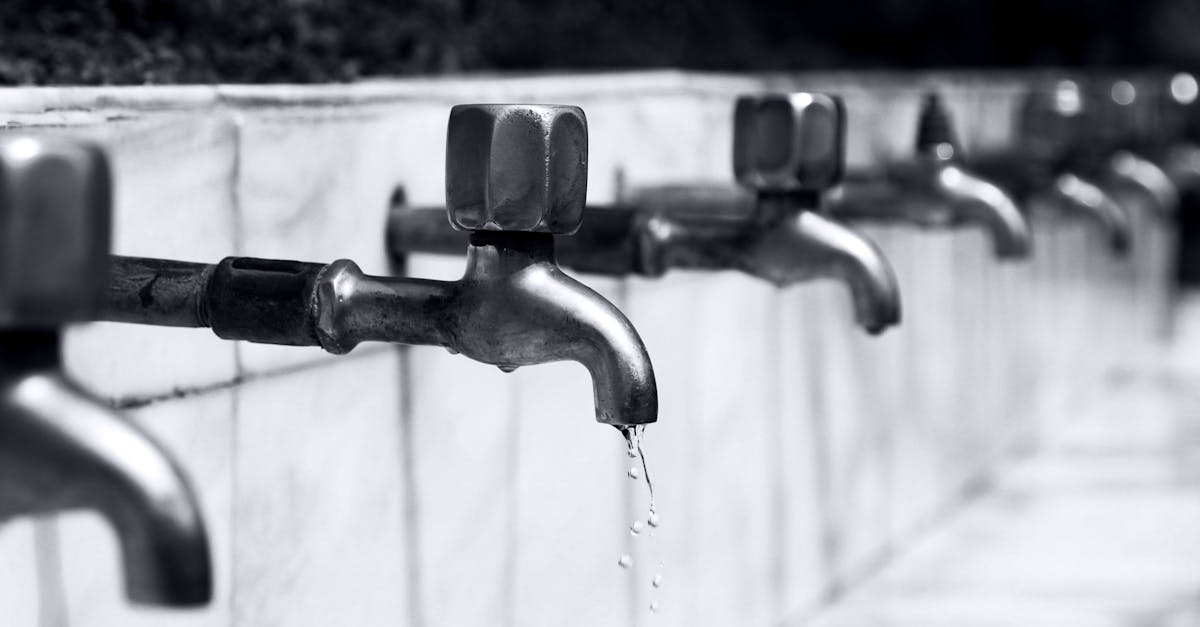
Regular maintenance is crucial for the longevity and efficiency of plumbing systems. Routine checks can identify potential issues before they escalate into costly repairs or complete system failures. This proactive approach not only enhances the performance of the pipes but also minimizes water wastage and energy consumption. Neglecting maintenance can lead to clogs, leaks, and pressure problems, which ultimately affect the overall health of the plumbing infrastructure.
Incorporating regular maintenance into a plumbing schedule can greatly reduce the need for emergency pipe installation and repair in the future. Professionals often recommend seasonal inspections to assess the condition of pipes and detect signs of wear or corrosion. By addressing small issues early on, homeowners can preserve the integrity of their plumbing systems and avoid disruptive emergencies that may require extensive repairs.
Maintenance Tasks for Pipe Longevity
Routine inspection is crucial for ensuring the longevity of pipes. Regular checks help identify leaks, corrosion, and blockages before they escalate into significant issues. During these inspections, homeowners can assess visible pipes, ensuring that any signs of wear or damage are promptly addressed. Keeping drains clean and free of obstructions also contributes significantly to maintaining effective water flow.
Maintenance tasks often involve cleaning out drains and checking for any sediment build-up. Homeowners should consider using enzyme cleaners to break down organic materials in the pipes. Additionally, periodic professional assessments of pipe installation and repair in residential settings can provide insights into potential problems. By staying proactive and maintaining a consistent schedule for these tasks, the overall lifespan of piping systems can be greatly enhanced.
Tools of the Trade
Pipe fitting requires a range of specialized tools to ensure proper installation and maintenance. Common tools include pipe wrenches, which provide the grip needed for tightening or loosening fittings. Pipe cutters are also essential, allowing professionals to achieve clean cuts for various pipe materials. Additionally, specific tools like threaders and benders cater to the unique requirements of different piping systems. Having the right tools on hand is vital for efficiency and effectiveness in pipe installation and repair in residential or commercial settings.
In addition to hand tools, pipe fitters often rely on power tools to expedite their work. Drills and saws help with precise cutting and drilling, ensuring that the pipes fit perfectly in designated spaces. Inspection cameras enable fitters to identify potential problems within existing pipes without extensive excavation. Safety equipment, such as gloves and goggles, is also crucial to protect against hazards during pipe installation and repair in various environments. Proper equipment ultimately contributes to the quality and durability of the plumbing systems being installed or repaired.
Essential Equipment for Pipe Fitters
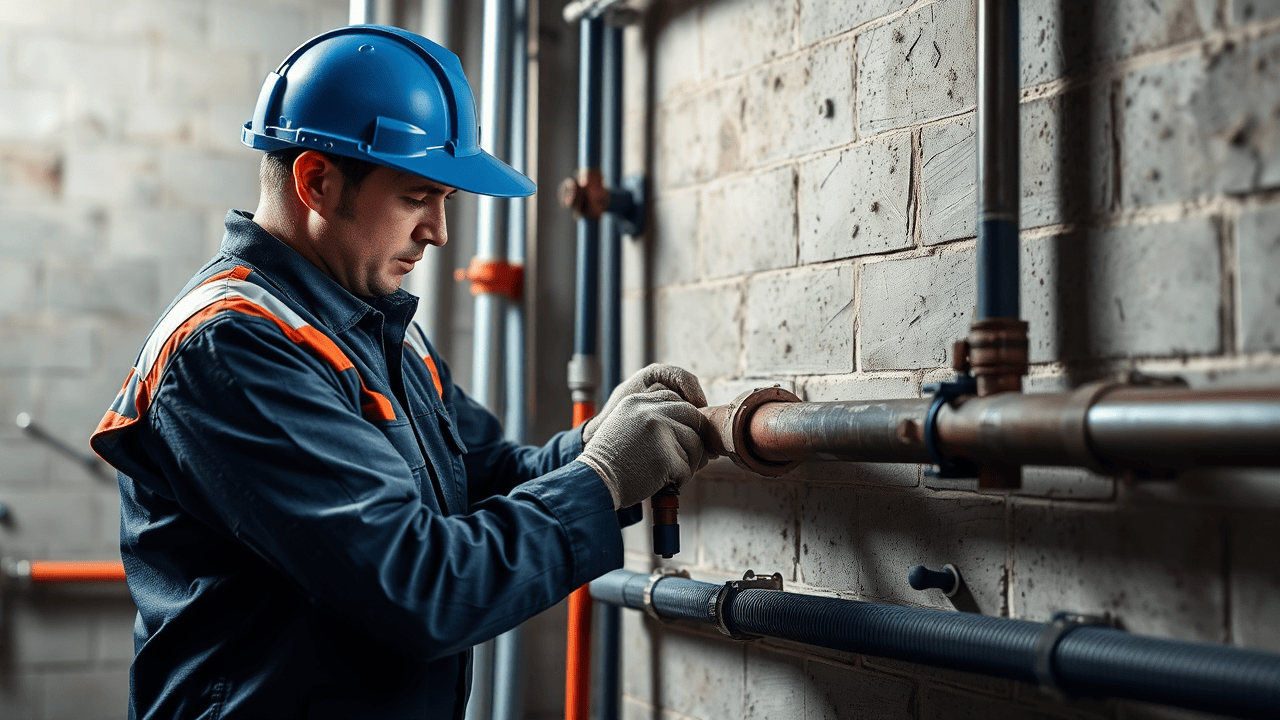
Pipe fitters rely on a variety of essential tools to ensure successful pipe installation and repair in residential and commercial settings. Common equipment includes pipe wrenches for gripping and turning pipes, threading machines for cutting threads into pipes, and saws for making precise cuts. Additionally, they often utilize soldering kits when joining metal pipes and a range of fittings to connect different sections effectively. Safety gear, including gloves, goggles, and hard hats, is also crucial for protecting fitters during tasks.
Another fundamental aspect of a pipe fitter’s toolkit is the use of measuring devices. Accurate measurements are vital for ensuring that pipes fit correctly and function properly in any system. Pipe installation and repair in plumbing and HVAC projects demands precision, making the use of levels and tape measures indispensable. Establishing a reliable inventory of tools and equipment enables pipe fitters to handle various challenges that arise during pipe work.
Finding a Qualified Professional
Finding a qualified professional for pipe installation and repair in your home requires careful consideration. Start by seeking recommendations from friends, family, or neighbors who have previously hired plumbing services. Online reviews and ratings can provide insights into the experience others have had with specific contractors. Look for licensing and certification to ensure the technician meets industry standards. A well-documented track record and positive feedback from customers can indicate reliability and quality of service.
When interviewing potential candidates, inquire about their experience specifically in pipe installation and repair in residential settings. Ask for references and examples of past work that are similar to your needs. Discuss warranty options for the work performed, as it reflects the confidence the professional has in their craftsmanship. Clear communication about costs and timelines is essential to avoid surprises down the road. Finding a skilled technician will ultimately lead to long-lasting solutions for your plumbing needs.
What to Look for in a Pipe Repair Expert
When searching for a qualified pipe repair expert, it is essential to consider their experience and credentials. Look for professionals who have undergone proper training and have a solid reputation in the industry. They should be familiar with local building codes and regulations. A technician's previous work can provide insight into their skill level and reliability.
Reviews and referrals from previous clients can also serve as valuable resources. Check if the technician specializes in pipe installation and repair in your area. This local expertise can make a significant difference in their understanding of the specific challenges faced in your region. Always ask for estimates and ensure transparency about the materials and processes they plan to use.
FAQS
Who fits and repairs pipes?
Pipe fitters, plumbers, and HVAC technicians typically fit and repair pipes in residential, commercial, and industrial settings.
What qualifications should a pipe repair expert have?
A qualified pipe repair expert should have relevant certifications, training, and experience in pipe fitting or plumbing, along with a good understanding of local codes and regulations.
How often should I have my pipes maintained?
It is recommended to have your pipes inspected and maintained at least once a year to prevent potential issues and ensure longevity.
What are some common signs that my pipes need repair?
Common signs include leaking, unusual noises, decreased water pressure, discoloration of water, and the presence of damp spots on walls or ceilings.
Can I perform maintenance on my pipes myself?
While some basic maintenance tasks can be done by homeowners, such as clearing clogs or checking for leaks, it is advisable to hire a professional for more complex tasks to ensure safety and proper handling.